Introduction
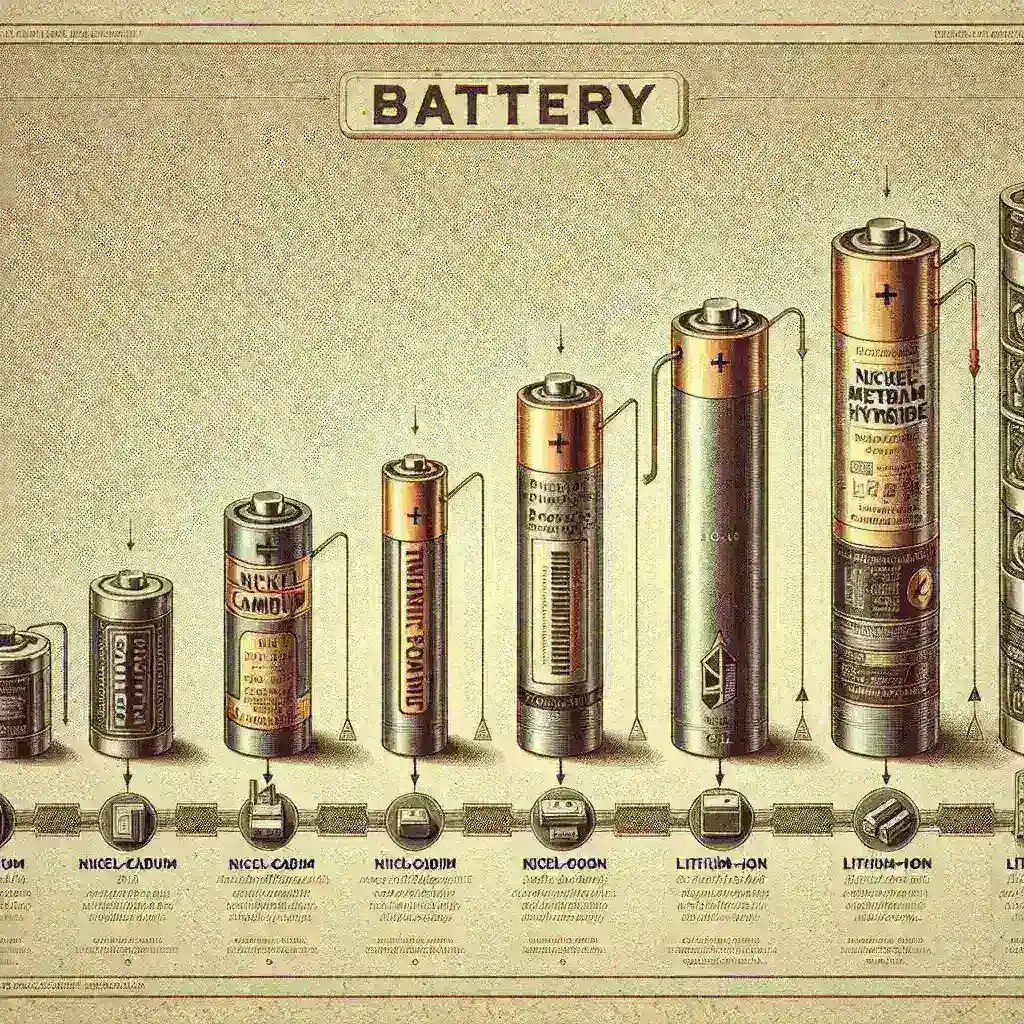
The evolution of battery technology has been a significant factor in the development of modern electronics and electric vehicles. From the early nickel-based batteries to the advanced lithium-ion batteries of today, each type has played a crucial role in powering our devices and shaping our world. In this article, we will explore how battery types evolved from nickel to lithium power, discussing their historical context, technological advancements, pros and cons, and future predictions.
Historical Context of Battery Development
The Birth of Batteries
The journey of batteries began in the late 18th century with the invention of the voltaic pile by Alessandro Volta. This early battery, made of alternating discs of zinc and copper, marked the beginning of electrical energy storage. However, it was not until the 19th century that more practical batteries emerged.
Nickel-Based Batteries
In the 20th century, nickel-based batteries became prominent, particularly nickel-cadmium (NiCd) and nickel-metal hydride (NiMH) batteries. These batteries offered several advantages:
- Durability: Nickel-based batteries were known for their long life and ability to withstand harsh conditions.
- Rechargeability: They could be recharged numerous times, making them a cost-effective solution in the long run.
- Wide Applications: They found their place in various devices, from power tools to cameras.
However, nickel-based batteries also had their drawbacks, such as memory effect and the environmental concerns related to cadmium.
The Rise of Lithium-Ion Batteries
Introduction of Lithium Technology
With the advancement of technology, lithium-ion (Li-ion) batteries began to emerge in the late 20th century. These batteries utilized lithium salts in an organic solvent, providing several advantages over nickel-based batteries:
- Higher Energy Density: Lithium-ion batteries can store more energy in a smaller volume, making them ideal for portable electronics.
- Low Self-Discharge Rate: They retain their charge longer when not in use, improving efficiency.
- Lightweight: Li-ion batteries are typically lighter, enhancing the portability of devices.
Technological Advancements
The development of lithium-ion batteries has seen significant technological advancements. Innovations in battery chemistry, such as lithium iron phosphate (LiFePO4) and lithium polymer (LiPo), have improved safety, performance, and lifespan. These developments have led to their widespread adoption in smartphones, laptops, and electric vehicles.
Comparing Nickel and Lithium Technologies
Pros and Cons
While both nickel-based and lithium-ion batteries have their merits, a comparison reveals distinct differences:
- Cost: Nickel-based batteries are generally less expensive to produce but have higher lifecycle costs due to their shorter lifespan.
- Environmental Impact: Lithium-ion batteries are considered more environmentally friendly, with less toxic materials and better recycling options.
- Performance: Lithium-ion batteries outperform nickel-based batteries in terms of energy density and charging speed.
Real-World Applications
Today, lithium-ion batteries dominate the market, powering not just consumer electronics but also electric vehicles (EVs) and renewable energy storage systems. For instance, Tesla’s electric cars rely heavily on advanced lithium-ion battery technology, showcasing the superior performance and efficiency of these batteries.
The Future of Battery Technology
Emerging Trends
The future of battery technology appears promising, with ongoing research focused on improving lithium-ion batteries and exploring alternative chemistries. Solid-state batteries are one such innovation, showing potential for higher energy density and improved safety.
Predictions for the Next Decade
Experts predict that by 2030, the demand for lithium-ion batteries will continue to rise, driven by the growth of electric vehicles and renewable energy. Additionally, advancements in battery recycling and second-life applications will contribute to a more sustainable approach.
Conclusion
The evolution from nickel to lithium power has transformed how we use and think about energy storage. As technology continues to advance, the future holds exciting possibilities for battery innovation that will shape our energy landscape for years to come. Understanding this evolution helps us appreciate the technology that powers our lives and the innovations that lie ahead.
Leave a Reply